May 28, 2026
The market for automotive protective films is experiencing unprecedented growth and transformation. This expansion is fueled by advancements in technology, shifting consumer preferences, and increasing awareness about vehicle preservation. As these films evolve, they not only protect vehicles but also offer aesthetic enhancements, adding new dimensions to automotive care. We have watched this sector mature rapidly, seeing how high-quality applications shield valuable assets from the elements while providing incredible marketing power. The implications of these developments are vast, affecting manufacturers, consumers, and commercial operations alike. By dissecting the various factors propelling this market forward, we can gain insights into its trajectory and understand how a local commercial vehicle wrap can elevate a company's physical presence.
Understanding Automotive Protective Films
Automotive protective films encompass a range of products designed to shield various parts of a vehicle's exterior and interior. Paint protection film (PPF), window film, and film wraps are popular categories within this space. Each type of film serves a unique purpose, from safeguarding painted surfaces to enhancing privacy and aesthetic appeal. These films are crafted from materials like polyurethane, polyethylene terephthalate (PET), and ceramic composites, offering distinct properties. The variety available ensures that vehicle owners can choose a solution tailored to their specific needs and preferences. When local business owners look to enhance their fleets, choosing a local commercial vehicle wrap is often the most efficient way to combine protection with high-impact branding.
Automotive protective films function as a barrier between the vehicle's surface and external elements. They protect against physical damage from stones, scratches, and minor environmental wear, preserving the vehicle's original finish. Besides physical protection, these films offer additional benefits such as UV resistance, which helps prevent interior fading. This multi-functional capacity makes protective films an attractive investment for vehicle maintenance and longevity. Additionally, enhancements like self-healing properties further elevate their appeal to consumers seeking long-term solutions. Our team works diligently to ensure that every layer applied meets the highest standards of durability and visual clarity.
Analyzing the Current Market Landscape
The current landscape of the automotive protective films market is marked by robust growth and a competitive atmosphere. Major players in this space offer diverse film solutions that cater to both aesthetic and functional demands. The industry has seen a massive surge in valuation as commercial entities realize the ROI of mobile advertising. According to Grand View Research, analysts found that the American market size for automotive wrap films reached an impressive value of USD 1,496.2 million in 2024. This rapid financial expansion highlights the substantial demand for high-quality exterior treatments across the nation.
This competitiveness encourages continuous innovation and improvement among companies vying for market dominance. The resulting advancements lead to better products and increased consumer options, fueling further market expansion. We constantly monitor these shifting economic dynamics to bring the most reliable film technology to our regional clients. The rise in market valuation directly mirrors the growing dependency that modern companies have on fleet graphics and logo design to build regional awareness. Investing in a premium local commercial vehicle wrap has transitioned from a luxury customization to a core operational strategy for expanding businesses.
Reviewing Technological Advances in Protective Films
Material science has played an integral role in the evolution of automotive protective films. Innovations in nanotechnology and polymer science have introduced materials that enhance film efficacy. Manufacturers now utilize advanced coating techniques to produce films with robust protective layers and improved optical clarity. These advancements make the films more durable, resistant to harsh environmental conditions, and aesthetically pleasing. As the industry progresses, integrating innovative materials and coatings remains a priority in meeting the rising consumer demands. Our facility in Manheim, PA utilizes these advanced materials to provide flawless execution on every project we manage.
Smart automotive films have brought about revolutionary changes in their functionality. Technologies embedded in these films allow them to respond intelligently to environmental stimuli, providing additional convenience to users. Self-healing capabilities, where minor scratches automatically vanish, have been a popular innovation. This attribute reduces maintenance efforts and prolongs the film's lifespan, appealing to consumers who value hassle-free solutions. Integration of additional features, such as electrochromic properties for tint adjustment, continues to broaden the scope of smart protective films. When designing a local commercial vehicle wrap, we ensure the underlying materials possess the structural integrity required to withstand daily road wear.
UV protection and thermal control have become central features of contemporary automotive films. Window films now offer high levels of UV blockage, safeguarding vehicle interiors and reducing heat ingress. This capability contributes to passenger comfort and reduces energy consumption by lessening air conditioning demands. Furthermore, advanced UV resistance extends to paint protection films, preventing paint discoloration and degradation. As consumer awareness of these benefits grows, demand for films with superior UV protection and thermal control continues to rise. Protecting the driver and the vehicle interior is just as critical as maintaining the exterior graphics.
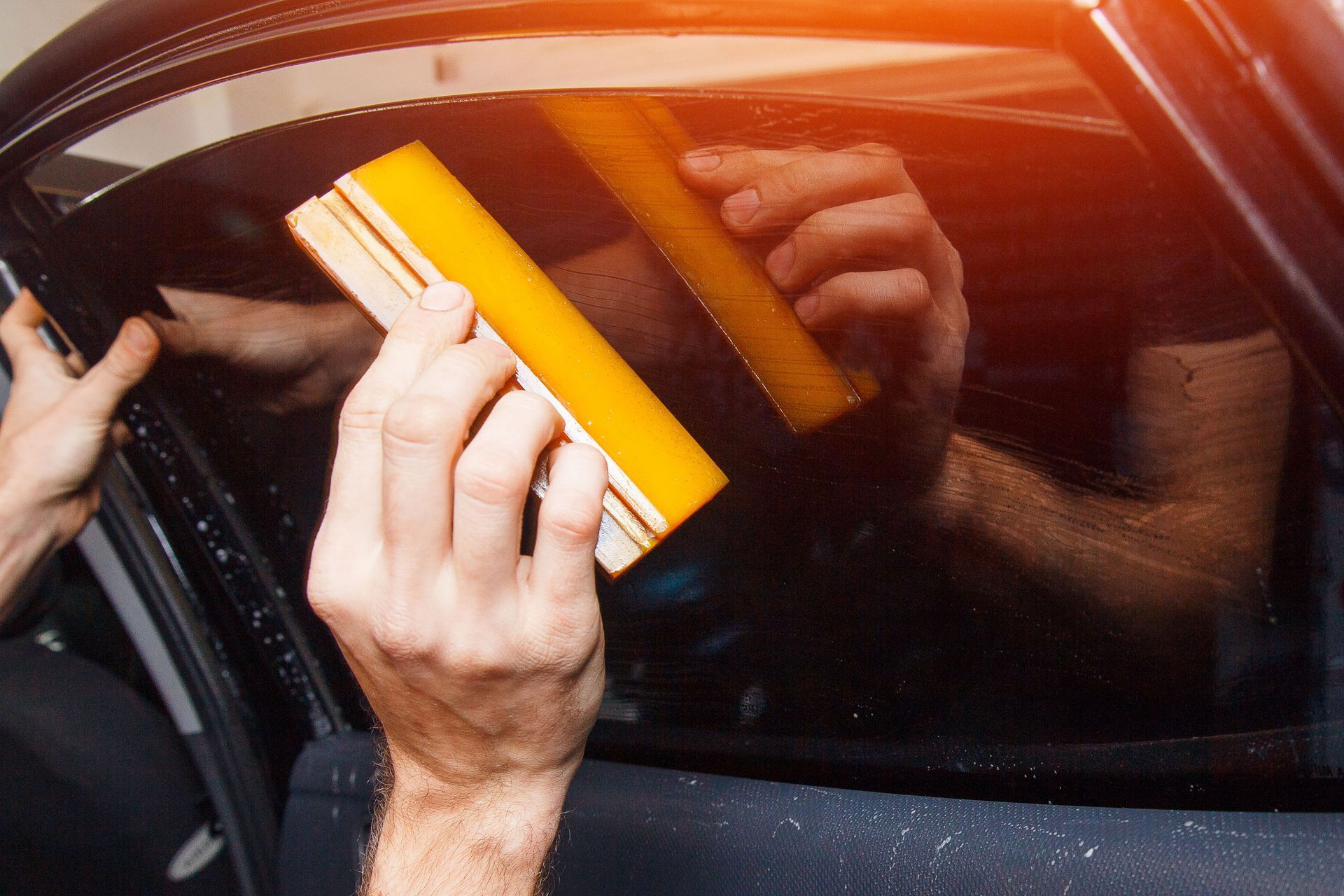
Application of automotive protective films has seen significant improvements, making installation more accessible and effective. Cutting-edge techniques, such as computer-cut templates, have reduced material waste and enhanced the precision of film applications. Installers also benefit from new adhesive technologies that simplify the installation process and reduce labor time. Training programs and certification offered by manufacturers ensure that certified installers maintain exceptionally high installation standards. We pride ourselves on executing these advanced application techniques to deliver a quick turnaround for our clients. Whether we are dealing with full-size van wraps, box truck wraps, or pickup truck wraps, precision matters.
Ongoing research and development efforts are pivotal to sustaining growth in the automotive protective films market. Companies invest in R&D to explore novel materials, optimize film formulations, and innovate application methods. Collaboration between industry leaders and academic institutions often leads to breakthroughs that set new benchmarks in film performance. R&D initiatives also focus on sustainability, exploring eco-friendly materials and processes to reduce the industry's environmental impact. By prioritizing innovation, the industry aims to continuously meet evolving consumer demands and environmental standards. This dedication to development ensures that a local commercial vehicle wrap remains a modern, highly effective marketing tool.
Evaluating Market Drivers and Challenges
Consumer demand is a powerful driver in the automotive protective films market. Greater awareness of vehicle wear and increasing investments in car aesthetics fuel interest in these products. Additionally, an upswing in automotive customization trends has solidified the popularity of film wraps. Consumers perceive these films as a practical investment for maintaining vehicle appearance and resale value. As a result, manufacturers respond with aggressive product development and marketing strategies to tap into this growing consumer segment. Companies needing localized advertising frequently search for a local commercial vehicle wrap to establish a dominant physical presence in their operating zones.
Regulatory pressures and environmental considerations also influence the protective films market. Governments worldwide implement standards for emissions and environmental impact, prompting manufacturers to consider eco-friendly practices. Compliance with health and safety regulations for automotive products remains a top priority for companies in this space. This factor, in turn, drives innovation towards producing films with reduced volatile organic compounds (VOCs) and more sustainable raw materials. Adapting to these regulatory frameworks is essential for companies aiming to secure a competitive edge and expand their market presence. Our in-house design team remains fully aware of these manufacturing standards when selecting compliant vinyl stocks.
Automotive protective films have emerged as crucial assets in vehicle maintenance, offering transformative benefits in terms of protection, aesthetics, and sustainability. The market depicts a rapidly evolving landscape characterized by technological progress, consumer demand, and environmental shifts. Although challenges in adoption and sustainability remain, ongoing innovations continuously enhance the scope and appeal of protective films. As stakeholders navigate dynamic trends and opportunities, their efforts will undoubtedly shape the future of vehicle care and ownership. By recognizing the pivotal role of protective films and addressing current challenges, the industry is set for sustained growth and innovation leadership. If you are ready to elevate your business fleet with a premium
local commercial vehicle wrap, look no further than the expert team at Cassel to bring your corporate vision to life with precision and style.